PTCA balloon and PTA balloon catheters both use balloon angioplasty to dilate narrowed blood vessels, but they are designed for different vascular territories and clinical applications.
The simplest distinction is:
PTCA balloon catheter → primarily designed for coronary arteries
PTA balloon catheter → primarily designed for peripheral arteries
Although both devices work by inflating a balloon at the target lesion, their dimensions, deliverability, balloon size range, shaft design, pressure characteristics, and intended clinical applications can be significantly different.
For distributors, importers, hospitals, and medical device procurement teams, understanding these differences is important when selecting the right balloon catheter for a specific market or procedure.
1. What Is a PTCA Balloon?
PTCA stands for Percutaneous Transluminal Coronary Angioplasty.
A PTCA balloon catheter is designed for balloon dilatation of stenotic coronary arteries or, depending on its specific indication, coronary bypass graft lesions. The FDA defines PTCA catheters as balloon-based devices intended for dilatation of hemodynamically significant coronary stenosis to improve myocardial perfusion.
During a coronary intervention, the balloon catheter is advanced through a guiding catheter and positioned across the target lesion, usually over a guidewire. The balloon is then inflated to exert controlled radial force on the stenotic segment.
Typical applications of PTCA balloons include:
Coronary artery stenosis
Balloon predilatation before stent implantation
Post-dilatation after coronary stent deployment, when indicated
Selected cases of in-stent restenosis, depending on device labeling
Treatment of coronary lesions where balloon angioplasty is clinically appropriate
Because coronary arteries are relatively small and often anatomically tortuous, crossing profile, trackability, pushability, flexibility, and precise balloon positioning are particularly important design considerations.
2. What Is a PTA Balloon?
PTA stands for Percutaneous Transluminal Angioplasty.
In medical device terminology, PTA balloon catheters are generally associated with peripheral vascular intervention.
FDA guidance describes PTA balloon catheters as catheter-based devices intended to treat lesions in the peripheral vasculature.
Depending on the specific product indication, PTA balloons may be used in peripheral vessels such as:
Iliac arteries
Femoral arteries
Popliteal arteries
Tibial arteries
Renal arteries
Other peripheral vascular segments
Peripheral arteries can vary considerably in diameter and lesion morphology. As a result, PTA balloon catheters are commonly available in a wider range of balloon diameters and lengths than coronary PTCA balloons.
For example, FDA device classifications describe peripheral angioplasty balloons as being manufactured in multiple diameters and lengths to accommodate different lesion sizes.
3. PTCA Balloon vs. PTA Balloon: Key Differences
The most important difference is not the balloon inflation principle. Both devices use hydraulic pressure to expand the balloon and mechanically dilate a stenotic vessel.
The major difference is where they are intended to be used and how the catheter is engineered for that vascular environment.
Feature
PTCA Balloon
PTA Balloon
Full name
Percutaneous Transluminal Coronary Angioplasty
Percutaneous Transluminal Angioplasty
Primary vascular territory
Coronary arteries
Peripheral arteries
Typical vessel size
Smaller
Generally larger and highly variable
Balloon diameter range
Usually smaller
Often broader
Balloon length range
Generally shorter
Often longer
Deliverability requirements
Very high
High, depending on access and anatomy
Trackability
Critical for tortuous coronary anatomy
Important, especially for long or complex lesions
Shaft design
Optimized for coronary access
Often optimized for longer access routes
Typical access route
Radial or femoral coronary access
Often femoral or other peripheral access
Common procedures
Coronary angioplasty and stent-related balloon work
Peripheral angioplasty
Lesion characteristics
Coronary stenosis, calcified or complex lesions
Peripheral stenosis, occlusion, long lesions, etc.
Important: These are general design distinctions rather than universal specifications. Actual balloon diameter, length, pressure rating, shaft configuration, crossing profile, and indications vary by product model and manufacturer.
4. Why Are PTCA and PTA Balloons Designed Differently?
Different vascular anatomy
The coronary and peripheral vascular systems present different engineering challenges.
Coronary arteries are relatively small and can have significant curvature and branching. A PTCA balloon therefore needs to provide a combination of:
Low crossing profile
Good flexibility
Excellent trackability
Controlled balloon expansion
Reliable lesion crossing
Accurate positioning
Peripheral vessels, on the other hand, can have much larger diameters and longer lesion segments.
Therefore, PTA balloons often need to accommodate:
Larger balloon diameters
Longer balloon lengths
Longer catheter working lengths
Different shaft configurations
Long or diffuse peripheral lesions
This is one reason why a PTCA balloon should not simply be regarded as a smaller PTA balloon.
5. Balloon Diameter and Length
Balloon dimensions are among the most visible differences between PTCA and PTA devices.
PTCA balloons
Coronary balloons generally focus on relatively small vessel diameters and precise lesion treatment.
Typical product configurations may include relatively short balloon lengths and smaller diameters, although the actual range depends on the product family.
PTA balloons
Peripheral vessels can vary considerably in diameter and lesion length.
Consequently, PTA balloon catheters are commonly offered in configurations designed for:
Long lesions
Large-diameter vessels
Different peripheral anatomical locations
Lesion preparation
Post-stent dilation, where indicated
FDA’s peripheral PTA guidance specifically emphasizes anatomy-specific testing because peripheral vascular applications can involve different anatomical and mechanical requirements.
6. Crossing Profile and Deliverability
Crossing profile is particularly important when treating tight or difficult lesions.
For a coronary PTCA balloon, a low profile can help the device cross a narrowed lesion and navigate through complex coronary anatomy.
Other important deliverability characteristics include:
Tip flexibility
Shaft flexibility
Trackability
Pushability
Kink resistance
Balloon folding
Deflation characteristics
For PTA balloons, deliverability remains important, but the engineering balance may shift according to vessel diameter, lesion length, access route, and catheter working length.
For manufacturers and distributors, this means that “low profile” alone should not be used as the only quality indicator. The complete delivery system should be evaluated.
7. Pressure and Balloon Compliance
Another important consideration is balloon compliance.
A balloon catheter should expand in a predictable manner within its labeled operating parameters. FDA’s PTCA guidance specifically describes the importance of balloon compliance, inflation/deflation characteristics, and defined burst pressure.
Depending on the clinical application, balloon technologies may include different combinations of:
Semi-compliant balloons
Non-compliant balloons
High-pressure balloon designs
Specialty balloons
Drug-coated balloons
Cutting or scoring balloon technologies
The appropriate choice depends on the lesion, vessel, intended procedure, and device labeling.
Therefore, it is not accurate to say that all PTCA balloons are semi-compliant or all PTA balloons are high-pressure devices. Product characteristics vary.
8. PTCA and PTA Balloons Can Also Have Different Specialty Designs
The basic balloon catheter is only one category within a broader family of angioplasty devices.
Depending on the market and regulatory indication, manufacturers may offer:
Standard Angioplasty Balloons
Designed for conventional balloon dilatation.
Non-Compliant Balloons
Designed for controlled expansion and higher-pressure applications, including certain post-dilatation procedures where indicated.
Cutting or Scoring Balloons
These incorporate specialized elements designed to modify resistant lesions. FDA classifies cutting/scoring PTCA catheters separately from standard PTCA balloon catheters.
Drug-Coated Balloons
Drug-coated balloons are designed to combine mechanical balloon dilatation with local drug delivery. FDA classifications include drug-coated/drug-eluting balloon technologies for both coronary and peripheral applications, depending on the specific device and indication.
This means that “PTCA” and “PTA” describe the vascular/procedural context, rather than defining one single balloon technology.
9. Can a PTCA Balloon Be Used for PTA?
Not necessarily.
A balloon catheter should be used only according to its intended use, indications, labeling, regulatory clearance/approval, and Instructions for Use (IFU).
A PTCA balloon is designed and validated for its specified coronary application. A PTA balloon is designed and validated for its specified peripheral vascular application.
Even if two balloons appear physically similar, their:
Dimensions
Working length
Pressure specifications
Mechanical performance
Delivery system
Testing requirements
Regulatory indications
may be different.
Therefore, similar appearance does not mean interchangeable clinical use.
10. How Should Distributors Choose Between PTCA and PTA Balloons?
For B2B procurement, choosing the right balloon should go beyond simply asking whether the product is “PTCA” or “PTA.”
A more practical evaluation framework includes the following:
① Target anatomy
Determine whether the intended market requires:
Coronary intervention
Peripheral intervention
Renal intervention
Other specific vascular applications
② Balloon size
Review:
Balloon diameter
Balloon length
Available size combinations
Size increments
③ Delivery system
Evaluate:
Crossing profile
Tip design
Shaft structure
Trackability
Pushability
Kink resistance
④ Balloon performance
Check:
Compliance characteristics
Rated burst pressure
Inflation/deflation performance
Balloon folding
Rewrap characteristics
⑤ Regulatory requirements
For international distribution, verify:
Intended use
Product registration status
Applicable market authorization
Technical documentation
Quality system
Sterilization information
Shelf life
Labeling and IFU
Regulatory requirements can differ substantially between markets, so product selection should always be based on the specific destination market.
11. A Simple Way to Remember the Difference
If you are new to angioplasty balloon catheters, remember this:
PTCA = Coronary
PTA = Peripheral
Both use balloon angioplasty to mechanically enlarge a narrowed vessel, but the devices are optimized for different anatomical environments.
PTCA balloons generally emphasize small-vessel navigation, low profile, flexibility, trackability, and precise positioning.
PTA balloons generally need to accommodate greater variation in vessel diameter and lesion length, with catheter configurations adapted to peripheral vascular access and anatomy.
However, these are general principles. The actual performance of a balloon catheter must always be evaluated from the manufacturer’s specifications, labeling, and validated intended use.
12. PTCA Balloon vs. PTA Balloon: Quick Comparison
Question
PTCA Balloon
PTA Balloon
What does it mean?
Percutaneous Transluminal Coronary Angioplasty
Percutaneous Transluminal Angioplasty
Main application
Coronary intervention
Peripheral intervention
Primary target
Coronary arteries
Peripheral arteries
Typical design priority
Low profile and coronary deliverability
Size range, reach and peripheral deliverability
Balloon sizes
Generally smaller
Generally broader
Balloon lengths
Generally shorter
Often available in longer configurations
Can they be considered interchangeable?
No—not unless specifically indicated
No—not unless specifically indicated
13. Conclusion
The difference between a PTCA balloon and a PTA balloon is fundamentally related to their intended vascular territory and the engineering requirements of that anatomy.
PTCA balloons are primarily designed for coronary interventions, where low profile, flexibility, trackability, and precise lesion positioning are particularly important.
PTA balloons are primarily designed for peripheral vascular interventions, where vessel diameter, lesion length, access route, and catheter reach can vary considerably.
For medical device distributors and OEM/ODM buyers, the right product should therefore be selected based on clinical application, specifications, performance data, regulatory status, and target-market requirements—not simply by product name.
If you are sourcing angioplasty balloons for international distribution, a qualified manufacturer should be able to provide detailed specifications, product documentation, quality information, and customization options for the target market.
Frequently Asked Questions
Is PTCA the same as PTA?
No. PTCA refers specifically to percutaneous transluminal coronary angioplasty, while PTA generally refers to percutaneous transluminal angioplasty, commonly used in the context of peripheral vascular intervention.
Is a PTCA balloon used in coronary arteries?
Yes. Standard PTCA balloon catheters are intended for balloon dilatation of coronary artery stenosis and, depending on labeling, may have additional coronary indications.
Is a PTA balloon used in peripheral arteries?
Generally yes. PTA balloon catheters are designed for angioplasty of lesions in peripheral vasculature, subject to the specific device’s intended use and labeling.
Which balloon is larger, PTCA or PTA?
As a general design trend, PTA balloons are available in a broader range of diameters and lengths because peripheral vessels and lesions can vary substantially in size. However, exact specifications depend on the product model.
Can the same balloon be used for both PTCA and PTA?
Not automatically. Clinical use must follow the manufacturer’s intended use, labeling, regulatory authorization, and IFU.
When two workhorse guidewires are both trusted, the question is not which one is “better”—but which one better matches the vessel, lesion, and device-delivery requirements of the case.
In coronary intervention, the guidewire is often the first device to establish access to the target lesion and the platform over which balloons, stents, and other devices are delivered. For this reason, workhorse guidewires need to balance several characteristics at the same time: steerability, torque response, distal flexibility, trackability, support, and vessel-friendly tip behavior.
Two widely recognized options are the Abbott HI-TORQUE BALANCE MIDDLEWEIGHT UNIVERSAL II™ (BMW Universal II) and the Terumo RUNTHROUGH™ NS Floppy.
Both are designed for coronary intervention, but their design characteristics create different handling profiles. Understanding those differences can make guidewire selection more systematic rather than brand-driven.
1. BMW Universal II and Runthrough NS Floppy: Both Workhorse Wires, Different Design Philosophies
Abbott BMW Universal II
The BMW Universal II is positioned by Abbott within its coronary workhorse guidewire portfolio. Abbott lists a 0.6 gf tip load and describes the wire with an Elastinite™ nitinol distal core, intermediate polymer covering, shaping ribbon, and hydrophilic distal coating.
The overall design aims to provide a balanced combination of:
Distal flexibility
Steerability and torque response
Vessel navigation
Device support
Versatility across routine coronary procedures
The BMW Universal II is available in 0.014-inch diameter, with 190 cm and 300 cm configurations documented in U.S. device records. Straight and J-tip configurations are also available.
Terumo Runthrough NS Floppy
Terumo describes the RUNTHROUGH NS family as a PTCA guidewire family designed for workhorse and challenging coronary cases. Its DuoCore™ design combines a stainless-steel shaft with a nitinol distal core, while M Coat™ hydrophilic coating is intended to facilitate smooth manipulation.
For the Runthrough NS Floppy, published specifications identify:
0.014 inch diameter
180 cm standard length
1.0 gf tip load
10 mm shapeable distal tip
Hydrophilic coating
2 mm silicone distal tip coating
Light rail support
This combination gives the Runthrough NS Floppy a distinctive balance of a relatively soft distal tip with a responsive shaft.
2. Side-by-Side Comparison
Feature
Abbott BMW Universal II
Terumo Runthrough NS Floppy
Primary role
Coronary workhorse guidewire
Coronary workhorse guidewire
Diameter
0.014”
0.014”
Tip load
0.6 gf
1.0 gf
Distal core
Elastinite™ nitinol
Nitinol distal core within DuoCore™ design
Distal tip
Shapeable
10 mm shapeable floppy tip
Distal coating
Hydrophilic
Hydrophilic
Distal tip protection
—
2 mm silicone tip coating
Overall character
Balanced workhorse performance
More defined floppy-tip / responsive-wire feel
Typical consideration
Balance of navigation, control and support
Smooth navigation with a soft, shapeable tip and responsive shaft
Length options
190 cm / 300 cm configurations
180 cm / 300 cm configurations
Specifications may vary by market, configuration, and product generation. Always verify the current manufacturer’s IFU and product specification before procurement or clinical use.
3. The Most Important Difference: Tip Behavior Is Only Part of the Story
A common mistake when comparing coronary guidewires is to look only at tip load.
Tip load is important, but it does not completely determine how a guidewire behaves during PCI.
A practical guidewire assessment should consider at least four dimensions:
Tip flexibility → Torque response → Trackability → Support
A wire with a soft distal tip may be attractive for navigating tortuous anatomy, but the operator may also need sufficient shaft response and support to deliver a balloon or stent.
Conversely, a guidewire with a slightly more defined distal response may provide a different tactile balance during steering and device delivery.
This is why BMW Universal II and Runthrough NS Floppy should not be treated as interchangeable simply because both are classified as workhorse wires.
4. When BMW Universal II May Be the Better Starting Point
BMW Universal II can be considered when the procedure calls for a balanced workhorse profile rather than a highly specialized crossing wire.
It may be particularly attractive when the operator values:
① Balanced support and flexibility
For routine coronary lesions, the wire needs enough flexibility to navigate the vessel while maintaining sufficient support for subsequent device delivery.
BMW Universal II’s workhorse positioning and 0.6 gf tip load place it in this balanced segment of the coronary guidewire market.
② Versatile coronary navigation
A workhorse wire may need to handle different lesion locations during everyday PCI rather than being optimized for one highly specific lesion type.
This makes versatility an important selection criterion.
③ A familiar “all-rounder” platform
For hospitals and distributors building a coronary guidewire portfolio, an all-round workhorse product can serve as a core SKU before adding more specialized wires for CTO, severe calcification, distal lesions, or other complex scenarios.
5. When Runthrough NS Floppy May Be the Better Starting Point
Runthrough NS Floppy may be attractive when the operator places greater emphasis on smooth navigation, a floppy distal tip, and responsive steering.
Terumo’s design combines a stainless-steel proximal shaft with a nitinol distal core through its DuoCore™ construction, while the hydrophilic coating facilitates manipulation.
① Tortuous coronary anatomy
When vessel tortuosity makes distal navigation more demanding, the combination of distal flexibility and smooth coating can become particularly relevant.
② Side-branch navigation
In situations where selective steering into a branch is important, a shapeable distal tip and predictable torque response can be valuable.
③ When distal vessel protection is a priority
The Runthrough NS Floppy incorporates a soft, shapeable 10 mm distal tip and 2 mm silicone distal tip coating according to Terumo’s published specifications.
This design can be appealing when the operator wants a relatively gentle distal wire behavior during navigation.
6. So, Which One Should You Choose?
There is no universal winner.
A more useful way to approach the decision is:
Choose BMW Universal II when:
You want a balanced coronary workhorse
You value a combination of flexibility and device support
You need a versatile wire for routine PCI
You prefer the handling characteristics of Abbott’s BMW platform
You are building a broad, general-purpose coronary guidewire portfolio
Consider Runthrough NS Floppy when:
You prioritize a floppy, shapeable distal tip
Tortuous anatomy is an important consideration
Smooth distal navigation is a priority
You value the handling characteristics of Terumo’s DuoCore™ design
You frequently work with branch or anatomically delicate coronary segments
The important point is that “workhorse” does not mean “one wire fits every case.”
7. A Practical Guidewire Selection Strategy
For many PCI procedures, guidewire selection can be simplified into a three-step decision process:
Step 1 — Start with the anatomy
Ask:
Is the vessel relatively straight or tortuous?
Is the target lesion proximal, distal, or at a branch?
Is the vessel caliber small?
Are there severe angulations?
Step 2 — Define the primary task
Is the main challenge:
Navigation?
Then distal flexibility and trackability become more important.
Device delivery?
Then shaft support and rail characteristics become more important.
Selective branch access?
Then tip shapeability and torque response become increasingly important.
Step 3 — Match the wire to the next device
A guidewire is not used in isolation.
The operator should consider what comes next:
Guidewire → Balloon → Stent → Other delivery device
If the planned device is relatively difficult to deliver, the support characteristics of the wire become increasingly important.
8. Why Experienced Operators May Keep Both Wires Available
One of the most practical lessons from workhorse guidewire selection is that having two familiar workhorse options can be more useful than searching for one “perfect” wire.
BMW Universal II and Runthrough NS Floppy have overlapping indications, but their handling characteristics are not identical.
In a challenging case, an operator may begin with one workhorse wire based on anatomy and tactile preference, then change strategy if the wire does not provide the desired combination of:
Distal access
Torque control
Vessel tracking
Device support
The goal is not to choose a “winning brand.”
The goal is to establish a safe and effective pathway for the next step of the procedure.
9. BMW Universal II vs. Runthrough NS Floppy: Quick Decision Guide
Clinical Requirement
Starting Consideration
General-purpose PCI
BMW Universal II / Runthrough NS Floppy
Balanced workhorse performance
BMW Universal II
Soft, shapeable distal tip
Runthrough NS Floppy
Tortuous anatomy
Runthrough NS Floppy may be attractive
Need for balanced device support
BMW Universal II may be attractive
Selective branch navigation
Consider distal tip shapeability and torque response
Difficult device delivery
Consider support characteristics rather than brand alone
Complex lesion requiring specialized crossing
Move beyond standard workhorse wires and select a dedicated specialty wire
This table is a selection framework, not a clinical protocol. Actual wire choice should be based on the patient’s anatomy, lesion characteristics, operator experience, compatible devices, and the manufacturer’s current instructions for use.
10. Final Takeaway
BMW Universal II and Runthrough NS Floppy are both established coronary workhorse guidewires, but they should not be viewed as identical alternatives.
BMW Universal II emphasizes a balanced workhorse profile, while Runthrough NS Floppy combines a shapeable floppy distal tip with Terumo’s DuoCore™ construction and hydrophilic coating.
For routine PCI, the better question is therefore not:
“Which guidewire is better?”
but:
“Which guidewire gives the most appropriate balance of distal behavior, torque response, trackability, and support for this particular lesion?”
For medical device distributors, importers, and cath-lab procurement teams, understanding this distinction is also important when building a coronary guidewire portfolio. A strong portfolio should not rely on a single workhorse SKU; it should combine general-purpose wires with specialized options for different lesion and anatomy requirements.
The right workhorse guidewire is not necessarily the strongest or softest wire—it is the wire whose performance profile best matches the case.
Understanding the Different Roles of Catheters in Interventional Procedures
In interventional medicine, catheters may look similar at first glance, but they are designed for very different purposes. A diagnostic catheter, guiding catheter, guide extension catheter, and other specialized catheters each have their own design priorities because they perform different tasks during an intervention.
So, why can't one catheter simply do everything?
The answer is straightforward: different stages of an interventional procedure require different levels of visualization, support, deliverability, and device compatibility.
Understanding these differences is important not only for physicians and clinical teams, but also for distributors, importers, and medical device buyers who need to select the right catheter for different applications.
1. Why Are Interventional Catheters Not Designed the Same Way?
An interventional procedure is rarely a single-step process.
Depending on the procedure, a catheter may need to:
Deliver contrast media for vascular imaging
Access and selectively engage a target vessel
Provide stable support for balloon catheters or stent delivery systems
Improve device reach in challenging anatomy
Cross tortuous or complex vascular segments
Maintain sufficient inner lumen for device passage
Minimize resistance during catheter manipulation
These requirements can conflict with one another.
For example, a catheter optimized for contrast injection and angiography does not necessarily need the same support characteristics as a catheter used to deliver a coronary stent.
This is why interventional catheters are developed as specialized product categories rather than as one universal catheter.
2. Diagnostic Catheter: Designed for Imaging and Vessel Assessment
A diagnostic catheter is primarily used to introduce contrast media into the vascular system and support angiographic imaging.
During coronary angiography, for example, the catheter is positioned at or near the coronary artery ostium, allowing contrast media to be injected so that the physician can visualize the vessel anatomy.
Key functions of a diagnostic catheter
Selective vessel engagement
Contrast media delivery
Angiographic visualization
Assessment of vascular anatomy
Support for diagnostic procedures
The design generally emphasizes controlled handling, appropriate flexibility, and reliable contrast delivery.
A diagnostic catheter is therefore fundamentally an imaging-oriented catheter.
It is not necessarily designed to provide the level of backup support required for complex PCI device delivery.
Typical application
Diagnostic catheter → vascular access + contrast injection + angiographic assessment
3. Guiding Catheter: Built to Support Interventional Device Delivery
Once the physician moves from diagnosis to treatment, the requirements change.
A guiding catheter is used to provide a pathway for interventional devices and, importantly, to provide sufficient support during device advancement.
In coronary intervention, a guiding catheter may be used to facilitate the delivery of:
Coronary guidewires
Balloon catheters
Drug-eluting stents
Other PCI devices
Compared with a diagnostic catheter, a guiding catheter generally places greater emphasis on backup support, lumen compatibility, and device delivery performance.
Why does support matter?
Imagine trying to advance a balloon or stent through a tortuous vessel.
The physician pushes the device from the proximal end, but the distal device must travel through multiple curves. Without sufficient support from the catheter system, the interventional device may be difficult to advance.
The guiding catheter helps establish a more stable platform.
Therefore:
Diagnostic catheter = primarily for imaging
Guiding catheter = primarily for intervention and device delivery
This distinction is one of the most important concepts when selecting coronary interventional catheters.
4. Guide Extension Catheter: Extra Reach and Support When Standard Guiding Catheters Are Not Enough
A guide extension catheter, sometimes called an extension catheter or guide catheter extension, is designed to work with a guiding catheter rather than simply replace it.
Its main purpose is to provide additional distal reach and support.
This can become particularly useful when treating:
Tortuous vessels
Distal lesions
Calcified lesions
Challenging coronary anatomy
Lesions that are difficult to reach with standard guiding catheter support
A guide extension catheter can be advanced through the guiding catheter toward the target lesion.
This effectively moves the support point closer to the lesion.
A simple way to understand it
Think of the guiding catheter as the main support platform.
When the target lesion is too difficult to reach from that platform, the guide extension catheter acts like an additional support arm, bringing the working point closer to the target.
This is why guide extension catheters can be valuable in complex PCI procedures.
5. Microcatheter: Designed for Fine Navigation and Guidewire Support
Another important catheter category is the microcatheter.
Microcatheters are typically used when more precise navigation is required, particularly in complex or distal anatomy.
Depending on the design and intended application, a microcatheter can help with:
Guidewire support
Selective vessel access
Distal lesion crossing
Guidewire exchange
Delivery of certain agents or devices
Navigation through small or tortuous vessels
In coronary CTO interventions, for example, microcatheters can provide additional guidewire support and facilitate guidewire manipulation or exchange.
In neurovascular intervention, microcatheters have an especially important role because cerebral vessels can be small, tortuous, and highly sensitive to device dimensions.
Therefore, microcatheter design often prioritizes low profile, flexibility, trackability, and precise distal control.
6. Different Catheters Solve Different Problems
The easiest way to understand catheter classification is to look at the problem each catheter is designed to solve.
Catheter Type
Primary Purpose
Key Design Priority
Typical Application
Diagnostic Catheter
Contrast injection and imaging
Selectivity, flexibility, contrast delivery
Angiography
Guiding Catheter
Interventional device delivery
Backup support, lumen, stability
PCI and other interventions
Guide Extension Catheter
Additional reach and support
Distal support, deliverability
Complex PCI
Microcatheter
Precise navigation and guidewire support
Low profile, flexibility, trackability
Coronary, peripheral, neurovascular procedures
Specialized Catheters
Procedure-specific functions
Application-specific design
Various interventions
The important point is that these categories are function-driven, not simply different names for the same product.
7. What Determines the Design of an Interventional Catheter?
Several engineering factors influence how a catheter performs.
7.1 Outer Diameter
A smaller outer diameter can help facilitate navigation through narrow or complex anatomy.
However, reducing catheter size can also create engineering challenges related to:
Inner lumen
Pressure resistance
Pushability
Structural strength
Therefore, catheter design is always a balance between profile and performance.
7.2 Inner Diameter
The inner diameter determines what can pass through the catheter.
For example, a guiding catheter must provide an appropriate lumen for the intended interventional devices.
A catheter with insufficient inner diameter may restrict device compatibility.
This is why French size and inner diameter are important considerations during catheter selection.
7.3 Flexibility and Trackability
Catheters need to navigate through vessels without excessive resistance.
A catheter that is too stiff may be difficult to advance through tortuous anatomy.
A catheter that is too soft, however, may not provide sufficient support.
The optimal balance depends on the catheter's intended application.
7.4 Pushability and Support
Pushability refers to how effectively force applied at the proximal end is transmitted along the catheter.
Support is particularly important when advancing balloons, stents, or other interventional devices.
This is one reason guiding catheters and guide extension catheters have different structural requirements from diagnostic catheters.
7.5 Tip Design
The distal tip is another critical component.
Different tip shapes and stiffness profiles can influence:
Vessel engagement
Selective access
Tracking
Stability
Risk of vessel trauma
For this reason, catheter selection often involves more than simply choosing a diameter or length.
8. Catheter Selection Should Follow the Procedure, Not Just the Product Name
For distributors and medical device buyers, one common mistake is to compare catheters mainly by specifications such as length, French size, or price.
Those specifications are important, but they should not be evaluated independently of the intended application.
A better selection process starts with four questions:
1. What procedure will the catheter be used for?
Coronary angiography, PCI, peripheral intervention, neurovascular intervention, and other procedures can have very different requirements.
2. What is the catheter expected to do?
Is it primarily used for contrast injection, vessel engagement, device delivery, additional support, or distal navigation?
3. What devices must pass through it?
Device compatibility should be considered together with catheter inner diameter and the intended procedural system.
4. What type of anatomy is expected?
Tortuous, calcified, distal, angulated, or otherwise complex anatomy may require different catheter characteristics.
This approach helps buyers move from "Which catheter is cheaper?" to "Which catheter is appropriate for this application?"
9. Why Catheter Classification Matters for Medical Device Buyers
For global distributors, importers, and medical device procurement teams, understanding catheter categories has a practical commercial benefit.
Different catheter types usually correspond to different clinical scenarios and purchasing requirements.
For example:
A diagnostic catheter portfolio may require multiple shapes for selective vessel engagement.
A guiding catheter portfolio may require different sizes and support characteristics.
A guide extension portfolio may focus on complex PCI applications.
A microcatheter portfolio may require different profiles, lengths, tip characteristics, and guidewire compatibility.
Therefore, a strong catheter product portfolio should not simply contain "more models."
It should provide appropriate choices for different procedures and anatomical challenges.
10. A Simple Framework for Understanding Catheter Types
A useful way to remember the major categories is:
Diagnostic Catheter → See
Guiding Catheter → Support and Deliver
Guide Extension Catheter → Reach Further and Add Support
Microcatheter → Navigate Precisely
This is not a complete classification of all interventional catheters, but it provides a simple starting point for understanding why catheter products are designed differently.
11. Conclusion
Interventional catheters are divided into diagnostic, guiding, guide extension, microcatheter, and other specialized categories because different procedures require different catheter functions.
A diagnostic catheter is primarily designed for imaging and contrast delivery.
A guiding catheter provides a stable pathway and support for interventional device delivery.
A guide extension catheter can provide additional distal reach and support when standard guiding catheter support is insufficient.
A microcatheter is designed for more precise navigation and guidewire support in challenging or small vessels.
Ultimately, the right catheter should be selected according to the procedure, anatomy, device compatibility, required support, and intended clinical function rather than by product name alone.
For medical device distributors and procurement teams, understanding these differences can make it easier to build a practical catheter portfolio and match products with the needs of different intervention markets.
Frequently Asked Questions
What is the difference between a diagnostic catheter and a guiding catheter?
A diagnostic catheter is primarily used for contrast injection and angiographic imaging, while a guiding catheter is designed to provide support and a pathway for interventional devices during procedures such as PCI.
What is a guide extension catheter used for?
A guide extension catheter is used to provide additional distal reach and support, particularly when standard guiding catheter support is insufficient for delivering devices to challenging lesions.
Can a diagnostic catheter be used as a guiding catheter?
Diagnostic and guiding catheters are designed with different performance priorities. They should be selected and used according to their intended purpose, device compatibility, procedural requirements, and applicable product instructions.
What is a microcatheter used for?
A microcatheter is commonly used for selective navigation, guidewire support, guidewire exchange, and access to small or difficult-to-reach vessels. Applications vary across coronary, peripheral, and neurovascular interventions.
How should distributors select interventional catheters?
Distributors should consider the intended procedure, anatomical application, catheter size, inner diameter, length, tip configuration, support characteristics, compatibility with other devices, regulatory requirements, and target market demand.
A Practical Guide to Evaluating Coronary Intervention Devices, Manufacturers, and Medical Device Suppliers
Introduction: Choosing PCI Devices Is More Than Choosing Products
The global demand for Percutaneous Coronary Intervention (PCI) devices continues to grow as hospitals and cardiovascular centers perform more minimally invasive coronary procedures.
For medical device distributors, importers, and regional agents, selecting PCI devices is not simply a purchasing decision. It is a long-term business decision that directly affects:
Hospital trust
Market reputation
Regulatory approval efficiency
Customer retention
Supply chain stability
Many buyers initially compare suppliers based on product specifications and price. However, experienced distributors understand that a successful PCI product line depends on much more than competitive pricing.
A reliable PCI device supplier should provide consistent product performance, stable manufacturing capability, regulatory support, and the ability to grow together in different markets.
This article explains how professional buyers evaluate high-quality PCI devices and select the right manufacturing partner.
1. Start With Understanding Your PCI Product Requirements
Before evaluating suppliers, distributors should first understand what products their target market actually needs.
A complete PCI solution usually includes several key devices:
Coronary Guidewires
Coronary guidewires are among the most technically demanding devices in PCI procedures.
Their performance directly influences device delivery and lesion crossing.
When evaluating guidewires, professional buyers usually focus on:
Tip flexibility and safety
Torque transmission
Lubricity during vessel navigation
Support force
Shape memory
Performance consistency between batches
For example, hospitals treating complex lesions may require different guidewire characteristics compared with routine PCI procedures.
A supplier that understands clinical applications can help distributors select more suitable products instead of simply offering standard models.
PTCA Balloon Catheters
Balloon catheters play an essential role in lesion preparation and vessel expansion.
Important performance factors include:
Low crossing profile
Controlled balloon expansion
Reliable pressure resistance
Smooth delivery performance
Accurate sizing options
For distributors, product availability across different diameters and lengths is also important because hospitals usually require multiple configurations.
Coronary Stents
Coronary stents require strict control of materials, design, and manufacturing processes.
Key evaluation points include:
Stent platform design
Radial strength
Flexibility
Delivery system performance
Drug coating technology
Long-term product stability
A competitive stent supplier should not only provide products but also provide technical documentation and market support.
Supporting PCI Accessories
Many distributors prefer suppliers who can provide a broader product portfolio, including:
Guiding catheters
Diagnostic catheters
Inflation devices
Y-connectors
Introducer sheaths
A complete product range helps distributors simplify procurement and improve customer service.
2. Product Quality Should Be Evaluated From Manufacturing Details
Medical devices used in cardiovascular intervention require extremely high manufacturing precision.
A small difference in material processing, coating technology, or assembly control may influence clinical performance.
When assessing a PCI device manufacturer, distributors should look beyond product appearance and review:
Material Control
High-quality PCI devices rely on carefully selected medical-grade materials, such as:
Stainless steel alloys
Nitinol materials
Medical polymers
Hydrophilic coating materials
Material selection affects flexibility, durability, and device handling characteristics.
Manufacturing Process Control
Reliable manufacturers usually have controlled production systems covering:
Incoming material inspection
Precision processing
Cleanroom assembly
Sterilization validation
Final product testing
Batch traceability
For global buyers, manufacturing consistency is often more important than a single product sample.
A product that performs well once but lacks batch-to-batch stability creates significant commercial risks.
3. Verify Regulatory Capability Before Starting Cooperation
For international medical device distribution, regulatory compliance is one of the most important supplier evaluation criteria.
A qualified PCI device manufacturer should understand different market requirements and provide necessary documentation.
Important factors include:
Quality Management System
Distributors should check whether the supplier operates according to internationally recognized quality systems, such as:
ISO 13485 medical device quality management system
Document control procedures
Product traceability systems
Quality inspection processes
Export Experience
A supplier with international market experience usually understands:
Registration requirements
Import documentation
Distributor cooperation models
Local market expectations
This can significantly reduce communication costs during market expansion.
4. Evaluate Whether the Supplier Can Support Your Business Growth
For distributors, choosing a PCI supplier is not only about today's order.
The better question is:
Can this supplier support our business development in the next five years?
A strong partner should provide:
Stable Production Capacity
Medical markets require reliable supply.
Distributors should understand:
Monthly production capability
Lead time stability
Inventory management ability
Emergency order handling
OEM and Customization Capability
Different countries may have different market requirements.
Flexible suppliers can support:
Private label products
Customized packaging
Product configuration adjustments
Documentation preparation
Distributor branding strategies
This is especially valuable for regional distributors building their own medical device brands.
Technical and Marketing Support
Successful medical device suppliers often provide more than products.
Additional support may include:
Product training
Technical documents
Product comparison materials
Application guidance
Sales support materials
These resources help distributors communicate product value to hospitals and healthcare professionals.
5. Price Matters, But Total Value Matters More
A common mistake among new buyers is selecting suppliers only based on unit price.
In the PCI device industry, the lowest price does not always mean the lowest cost.
A cheaper supplier may create additional costs through:
Quality issues
Delivery delays
Registration problems
Customer complaints
Limited product selection
Professional distributors usually evaluate the total partnership value:
Product Quality + Supply Reliability + Regulatory Support + Business Cooperation
This approach creates a more sustainable market strategy.
6. Questions Every Distributor Should Ask Before Selecting a PCI Supplier
Before establishing cooperation, global buyers should consider:
About Products
Are product specifications suitable for our target hospitals?
Can the supplier provide multiple PCI product categories?
How is product consistency controlled?
About Manufacturing
Does the factory have a mature quality management system?
What production processes are internally controlled?
How does the supplier handle quality complaints?
About Cooperation
Can they support OEM projects?
Can they provide export documentation?
Can they support long-term market development?
7. Why Integrated PCI Solutions Are Becoming More Important
The cardiovascular intervention market is becoming increasingly competitive.
Many distributors are moving from purchasing individual products toward working with integrated solution providers.
A comprehensive PCI supplier can help customers build a complete portfolio covering:
Coronary guidewires
PTCA balloon catheters
Coronary stents
Diagnostic catheters
Guiding catheters
PCI accessories
The advantages include:
Easier supply chain management
Consistent quality standards
Faster communication
Better market response
For distributors, this means stronger competitiveness and better customer relationships.
Conclusion: Selecting the Right PCI Partner Creates Long-Term Market Value
Choosing high-quality PCI devices requires a comprehensive evaluation of technology, manufacturing capability, regulatory experience, and supplier reliability.
For global distributors, the ideal PCI supplier is not simply a company that provides products. It is a partner that understands clinical applications, supports market development, and provides stable solutions over the long term.
By working with a reliable PCI device manufacturer, distributors can build stronger product portfolios, improve customer confidence, and create sustainable growth in the cardiovascular intervention market.
Frequently Asked Questions (FAQ)
What should distributors consider when selecting PCI devices?
Distributors should evaluate product performance, manufacturing quality, regulatory compliance, supply stability, and supplier support capability.
What products are included in PCI devices?
PCI devices commonly include coronary guidewires, PTCA balloon catheters, coronary stents, guiding catheters, diagnostic catheters, and related accessories.
How can I find a reliable PCI device supplier?
Look for manufacturers with proven production capability, ISO 13485 quality systems, international export experience, and OEM/ODM support.
Why choose a complete PCI solution supplier?
An integrated supplier helps distributors simplify procurement, improve supply stability, and provide more complete solutions to hospitals.
CTA
Looking for a reliable PCI device supplier for your market?
Our team provides coronary intervention solutions for global distributors, importers, and medical device partners.
Contact us to discuss your product requirements and partnership opportunities.
PTCA vs. PCI: Key Differences, Procedures & Devices Explained | Maejet
Discover the key differences between PTCA and PCI, including definitions, procedures, indications, advantages, and the interventional devices used in modern coronary artery disease treatment.
PTCA vs. PCI: What's the Difference?
PTCA and PCI are two terms frequently used in interventional cardiology. Although many people use them interchangeably, they are not exactly the same.
If you're a physician, distributor, hospital buyer, or medical device importer, understanding the distinction between these procedures is essential when selecting products, communicating with clinical teams, or sourcing interventional devices.
In this guide, we'll explain:
What PTCA is
What PCI is
The key differences between PTCA and PCI
Why PCI has become today's standard treatment
The devices commonly used during PCI procedures
Ι What Is PTCA?
PTCA (Percutaneous Transluminal Coronary Angioplasty) is a minimally invasive procedure designed to restore blood flow in narrowed or blocked coronary arteries using a balloon catheter.
Introduced by Dr. Andreas Grüntzig in 1977, PTCA marked the beginning of modern coronary intervention by providing an effective alternative to open-heart surgery.
How PTCA Works
A guidewire crosses the coronary lesion.
A balloon catheter is advanced over the guidewire.
The balloon is inflated to compress the plaque against the arterial wall.
Blood flow is restored.
Originally, PTCA referred specifically to balloon angioplasty without routine stent implantation.
Ι What Is PCI?
PCI (Percutaneous Coronary Intervention) is the broader term that describes all catheter-based procedures used to treat coronary artery disease.
Modern PCI includes much more than balloon angioplasty.
Today, PCI may involve:
Balloon angioplasty
Drug-eluting stent (DES) implantation
Bare-metal stent implantation
Drug-coated balloons (DCB)
Atherectomy procedures
IVUS-guided intervention
OCT-guided intervention
FFR or iFR physiological assessment
In simple terms:
♦ PTCA is one technique within the broader category of PCI.
In our experience supplying coronary intervention products to hospitals and distributors worldwide, many customers mistakenly believe PTCA and PCI are interchangeable terms. In reality, PTCA is only one component of the broader PCI strategy.
Ι PTCA vs. PCI: Key Differences
Feature
PTCA
PCI
Full Name
Percutaneous Transluminal Coronary Angioplasty
Percutaneous Coronary Intervention
Scope
Balloon angioplasty only
Comprehensive coronary intervention
Balloon Angioplasty
✓
✓
Stent Implantation
Usually No
Usually Yes
Drug-Coated Balloon
No
Yes
Atherectomy
No
Yes
IVUS / OCT Guidance
Rare
Common
Current Clinical Use
Limited
Standard of care
The biggest difference is that PTCA refers only to balloon angioplasty, whereas PCI encompasses all modern catheter-based coronary interventions.
Why Has PCI Replaced Traditional PTCA?
While balloon angioplasty alone can successfully open narrowed arteries, it has several limitations.
After balloon dilation, the artery may:
Recoil
Collapse
Develop restenosis due to tissue growth
Modern PCI addresses these issues by combining balloon angioplasty with additional technologies such as drug-eluting stents and intravascular imaging.
Advantages of PCI
Lower restenosis rates
Better long-term vessel patency
Higher procedural success rates
Improved outcomes for complex coronary lesions
Reduced need for repeat interventions
Because of these advantages, PCI has become the preferred treatment for most patients with coronary artery disease worldwide.
Ι When Is PTCA Still Used?
Although PCI is now the standard approach, balloon angioplasty remains an important component of many procedures.
PTCA may still be appropriate in cases such as:
Lesion pre-dilation before stenting
Small vessel disease
Drug-coated balloon therapy
Selected pediatric interventions
Specific clinical scenarios where permanent stents are not preferred
In most modern procedures, however, balloon angioplasty is performed as one step within a PCI procedure.
Ι Common Devices Used During PCI
Successful PCI relies on multiple specialized interventional devices working together.
Device
Primary Function
Coronary Guidewire
Crosses the coronary lesion
Diagnostic Catheter
Coronary angiography
Guiding Catheter
Delivers interventional devices
PTCA Balloon Catheter
Dilates stenotic lesions
Drug-Eluting Stent
Maintains vessel patency
Inflation Device
Controls balloon inflation pressure
Microcatheter
Provides guidewire support
Hemostasis Valve
Prevents blood loss during intervention
High-quality interventional devices contribute significantly to procedural efficiency, physician control, and patient outcomes.
PTCA vs. PCI: Which One Is Better?
The answer depends on the clinical situation.
For most coronary artery disease cases, PCI provides superior long-term outcomes because it incorporates advanced technologies beyond balloon angioplasty alone.
PTCA remains an essential technique, but it is now considered one component of the broader PCI strategy rather than a standalone treatment in most patients.
Frequently Asked Questions
Is PTCA the same as PCI?
No.
PTCA refers specifically to balloon angioplasty, while PCI includes balloon angioplasty, stent implantation, drug-coated balloons, atherectomy, and other catheter-based coronary interventions.
Does every PCI require a stent?
No.
Some PCI procedures use drug-coated balloons or other treatment strategies without permanent stent implantation.
Why is PCI more commonly performed today?
PCI offers:
Lower restenosis rates
Better long-term outcomes
Improved treatment for complex coronary lesions
Greater procedural success
Is balloon angioplasty still important?
Absolutely.
Balloon angioplasty remains a fundamental step in many PCI procedures and continues to play a vital role in coronary intervention.
Conclusion
Although the terms PTCA and PCI are often used interchangeably, they represent different concepts.
PTCA specifically describes balloon angioplasty, while PCI refers to the complete range of modern catheter-based coronary interventions used to treat coronary artery disease.
As interventional cardiology continues to evolve, PCI has become the global standard of care, supported by increasingly sophisticated guidewires, balloon catheters, guiding catheters, coronary stents, microcatheters, and inflation devices.
For hospitals, distributors, and healthcare providers, understanding this distinction helps ensure better communication, more accurate product selection, and improved clinical outcomes.
Related Products
Coronary Guidewires
PTCA Balloon Catheters
Guiding Catheters
Diagnostic Catheters
Inflation Devices
Coronary Stents
Microcatheters
Hemostasis Valves
Recommended Reading
How PTCA Balloon Catheters Work in Coronary Intervention
Drug-Eluting Stents vs. Bare-Metal Stents
Choosing the Right Coronary Guidewire for Complex PCI
Complete Guide to Coronary Angiography Catheters
Guidewire Selection for CTO Procedures
Contact Us
Looking for a reliable supplier of PCI and PTCA interventional devices?
We provide a comprehensive portfolio of high-quality coronary intervention products, including guidewires, balloon catheters, guiding catheters, diagnostic catheters, inflation devices, and related accessories for global distributors, hospitals, and OEM partners.
Contact our team today to learn more about our coronary intervention solutions.
Introduction
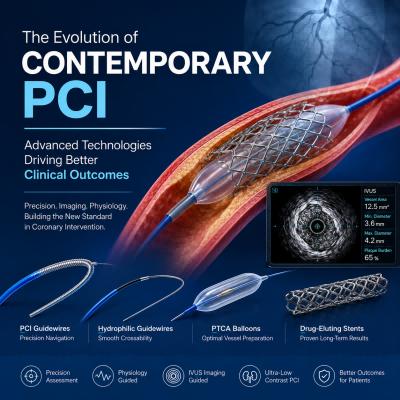
Percutaneous Coronary Intervention (PCI) has undergone a remarkable transformation over the past decade. While coronary angiography remains a cornerstone of diagnosis and treatment planning, today's interventional cardiologists increasingly rely on advanced physiological assessment and intravascular imaging technologies to achieve more precise and predictable outcomes.
The integration of guidewires, physiology-guided assessment, intravascular ultrasound (IVUS), specialty balloons, and modern stent platforms is redefining the standard of care for coronary interventions. As coronary artery disease becomes increasingly complex, the ability to combine these technologies into a streamlined workflow has become essential for optimizing patient outcomes.
Beyond Angiography: The Shift Toward Precision PCI
For many years, angiography served as the primary method for identifying coronary lesions and guiding intervention. However, angiographic images alone often fail to reveal the true physiological significance of a lesion or the detailed morphology of the vessel wall.
Modern PCI increasingly incorporates:
Physiological lesion assessment
Intravascular ultrasound (IVUS)
Co-registration technologies
Advanced guidewire navigation systems
These tools allow physicians to move beyond treating isolated lesions and instead evaluate the entire vessel, identifying areas of ischemia, plaque burden, and vessel dimensions with greater accuracy.
The result is a more individualized treatment strategy that improves procedural success and long-term clinical outcomes.
Managing Increasingly Complex Coronary Disease
Today's PCI patients frequently present with:
Diabetes mellitus
Chronic kidney disease (CKD)
Diffuse coronary artery disease
Calcified lesions
Chronic total occlusions (CTO)
Multi-vessel disease
These complex anatomies require precise lesion crossing, vessel preparation, and stent optimization.
Advanced coronary guidewires play a critical role in this process. Modern workhorse, hydrophilic, and CTO guidewires provide enhanced torque response, trackability, and support, allowing operators to safely navigate challenging lesions.
When combined with IVUS imaging, physicians can accurately determine:
Vessel diameter
Lesion length
Plaque composition
Calcium distribution
Optimal landing zones for stent deployment
This comprehensive understanding helps reduce geographic miss and improves procedural efficiency.
Ultra-Low Contrast PCI: Protecting Renal Function
Contrast-induced acute kidney injury remains a significant concern, particularly among patients with pre-existing renal dysfunction.
The emergence of ultra-low contrast PCI techniques has created new opportunities to safely treat patients who were previously considered high risk.
Key enabling technologies include:
Physiological Guidance
Pressure guidewires provide functional assessment of coronary stenosis, helping physicians identify lesions that truly require intervention.
IVUS-Guided PCI
IVUS enables accurate vessel sizing and procedural optimization while reducing dependence on repeated contrast injections.
Advanced Guidewire Navigation
Hydrophilic coronary guidewires and micro-guidewire technologies facilitate vessel access and lesion crossing with fewer angiographic runs.
Together, these technologies support safer interventions while minimizing nephrotoxic contrast exposure.
The Critical Role of Intravascular Imaging
Intravascular imaging has become one of the most influential advances in contemporary PCI.
IVUS-guided PCI offers several advantages:
Accurate vessel sizing
Detection of plaque morphology
Identification of calcium burden
Optimization of stent expansion
Verification of stent apposition
Clinical evidence continues to demonstrate that imaging-guided PCI can improve procedural outcomes and reduce adverse events compared with angiography-guided procedures alone.
As a result, many leading catheterization laboratories now consider IVUS-guided PCI a key component of contemporary coronary intervention strategies.
Standardized PCI Workflow Improves Outcomes
Successful PCI is no longer dependent on a single device or technology.
The most effective programs integrate:
Coronary guidewires
Physiological assessment tools
IVUS imaging systems
Specialty balloons
Drug-eluting stents
Advanced imaging platforms
Standardizing these technologies across the catheterization laboratory enables physicians to deliver consistent, high-quality care while improving procedural efficiency.
A standardized workflow can help:
Reduce procedural variability
Improve clinical decision-making
Shorten procedure times
Enhance patient safety
Optimize resource utilization
Future Perspectives
The future of PCI is moving toward increasingly personalized and image-guided intervention.
Emerging technologies are expected to further enhance:
Lesion assessment accuracy
Device selection
Stent optimization
Contrast reduction strategies
Complex lesion treatment
As physiological assessment, IVUS imaging, and advanced guidewire technologies become more widely adopted, interventional cardiologists will be better equipped to achieve superior outcomes even in the most challenging coronary anatomies.
Conclusion
Contemporary PCI is evolving beyond traditional angiography-guided intervention. The combination of advanced guidewires, intravascular imaging, physiological assessment, and optimized treatment workflows is creating a new standard for precision coronary intervention.
For healthcare providers seeking to improve procedural success and patient outcomes, adopting a comprehensive technology-driven PCI strategy is no longer an option—it is becoming the benchmark for modern cardiovascular care.
As a global supplier of coronary intervention devices, we are committed to supporting physicians with high-quality guidewires, micro guidewires, PTCA balloons, and related interventional solutions designed to meet the demands of today's complex PCI procedures.
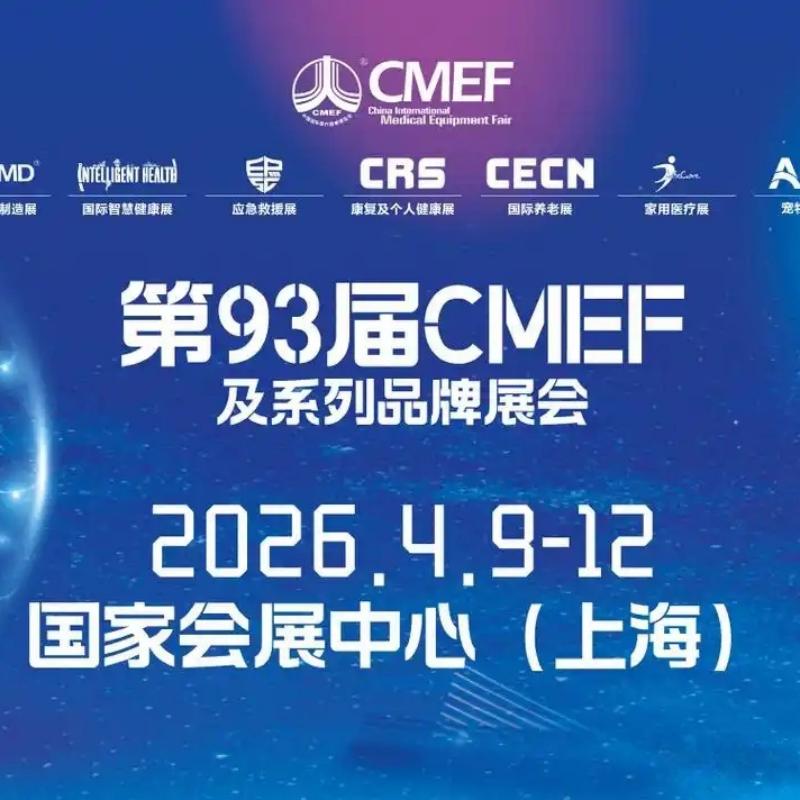
Successfully Concluded | CMEF 2026 Shanghai
April 2026, Shanghai, China
Our company proudly participated in the 93rd China International Medical Equipment Fair (CMEF 2026), held from April 9 to April 12 at the National Exhibition and Convention Center (Shanghai). As one of the world's leading medical technology exhibitions, CMEF brought together healthcare professionals, distributors, manufacturers, and industry experts from around the globe to explore the latest innovations shaping the future of healthcare.
During the exhibition, our team showcased a comprehensive portfolio of interventional medical devices, including:
Coronary Guidewires
Micro Guidewires
Diagnostic and Guiding Catheters
Micro Catheters
PTCA Balloon Catheters
Peripheral Intervention Products
Urology Guidewires and Accessories
Interventional Procedure Accessories
Our booth attracted visitors from Europe, North America, South America, the Middle East, Southeast Asia, and other regions. Numerous distributors, hospital procurement specialists, and industry partners expressed strong interest in our products and discussed potential cooperation opportunities.
Product Highlights
Our latest interventional solutions demonstrated outstanding performance in:
✓ Excellent torque control and trackability
✓ Superior hydrophilic coating technology
✓ Enhanced crossing capability for complex lesions
✓ Reliable support for coronary and peripheral procedures
✓ High-quality manufacturing standards and strict quality control
The exhibition provided an excellent platform to present our commitment to innovation, product quality, and customer-focused solutions in the field of vascular intervention.
Strengthening Global Partnerships
Throughout the four-day event, our team held productive meetings with existing customers and new partners. The discussions covered distribution partnerships, OEM/ODM cooperation, private labeling opportunities, and long-term strategic collaborations.
We are grateful for the trust and support received from visitors and partners worldwide. Their valuable feedback will continue to drive our efforts in developing advanced medical devices that improve procedural efficiency and patient outcomes.
Looking Ahead
As the global demand for minimally invasive therapies continues to grow, our company remains dedicated to delivering innovative, reliable, and cost-effective interventional medical products to healthcare providers worldwide.
We sincerely thank everyone who visited our booth during CMEF 2026 and look forward to meeting you again at future international medical exhibitions.
For product inquiries or partnership opportunities, please contact our sales team or visit our website for more information.
Together, we advance innovation in interventional medicine.






 English
 русский
 español
 العربية
 Indonesia